Monday, February 6, 2012

évaluation - l'écriture et la lecture

reading and writing continuum student evaluation
reading and writing continuum teacher evaluation (black and white)
reading and writing continuum (colour)
speaking and listening continuum student evaluation
(my edited version is here, we need something more specific to our provincial learning outcomes)
speaking and listening continuum teacher evaluation
speaking and listening continuum (colour)
The speaking and listening versions are for students learning English as a second language.  We are teaching students French as a second language, the sequence of acquiring the skill is the same (well it isn't great - I will look for something more specific to FI).

Six reasons why you will need few other reading and writing assessment tools if you adopt this or any other continuum similar in quality, scope, and sequence to use with students.

  1. Most important feature - you can only level up.  Anyone can glance at the continuum and see progress and next steps - grade 1 students, their next teacher, their parents who want to provide support, anyone.
  2. There is a student self-evaluative and teacher evaluative version.  They mirror one another, the student version is couched in clear target terms.  I only use the student self-evaluation version.  We all appreciate the clear language, why not assess students in simple, student-centered language?  Plus the student version does not assign an age range to each skill  - better for student self-esteem.
  3. The continuum tracks reading and writing skills from pre-school to high school.  Your students and their parents can see where they were in their learning, where they are, and where they will progress to next in reading and writing.
  4. The continuum should, must, ought to be included in each term report, a copy for the student and parents, a copy for the student's file.  Use a different coloured highlighter each term.
  5. This continuum will hold you accountable to differentiate your teaching.  When you highlight a student's continuum and see that so-an-so has mastered a particular writing skill there is no way your conscience will allow you to distribute mundane worksheets, one size fits all spelling tests, or watch-and-copy, uninspiring, whole-class writing.
  6. Listen up people - I guarantee that using this tool will make your report card writing easier, faster, more meaningful, and more accurate.

Sunday, February 5, 2012

un pour l'escargot, dix pour le crabe


This math infused read-aloud coincides with our science unit about the needs and adaptations of animals.  Tubs of small plastic animals make creating our own stories a snap.  Students were encouraged to find many animal combinations of feet.  At your table can you and your partner make 10 feet?  7?  20?  How many different combinations can you find for 12 feet?

Saturday, February 4, 2012

château de glace - 2012


j'écoute la lecture - youtube

frenchvideoplaylists (my youtube channel under construction)

Creating a channel for your school or classroom on youtube is an easy way to build an online library of quality 'listen to reading' options for students to use during The Daily Five.  Playlists can be uploaded and sorted by season, term, or subject area.  I have developed a channel for K-2 and regularly add videos or closed captioned reading and songs for 'Listen to Reading' during the Daily Five.  Try these searches to curate your own channel:

Comptines (the captioned ones are what I intend, those uploaded by 'comptines')
Alain le lait
Matt Maxwell
Primary Success Paola

Thursday, February 2, 2012

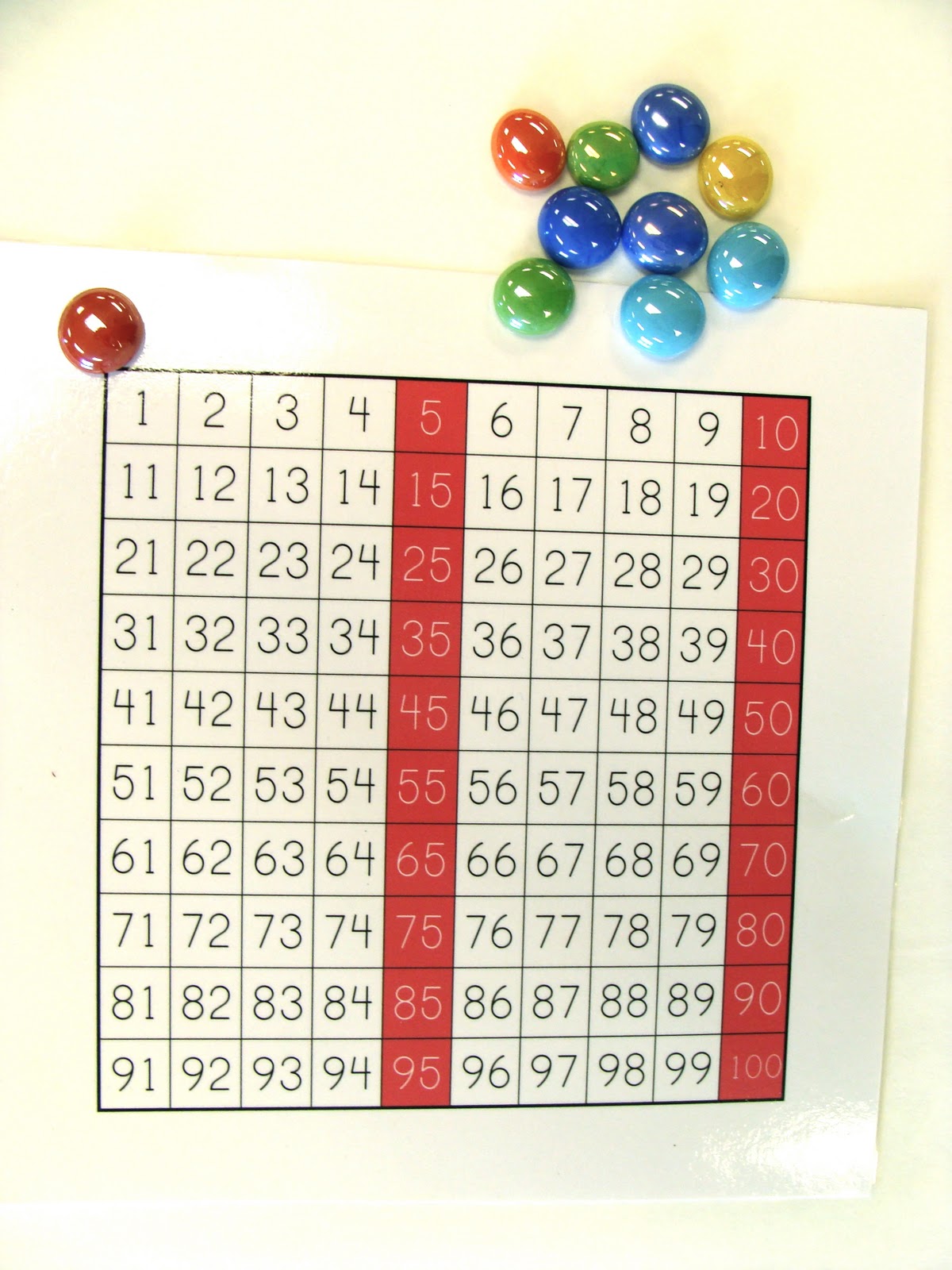
tableau de 100


This file is about 15 pages long because of course, you just have to have lots of colours to choose from. My deal with colour choice for students is, once materials are distributed, if you can make a deal or trade with someons (find a win-win), go nuts.  There is always some frantic deal making, I often set a quick time limit.  This takes the hassle out of my hands and injects some problem solving and haggling skills into grade one (or kindergarten, ha!). 

I print a class set on card stock and laminate them.  Each student has a chart and a flat glass bead.
As we count during calendar time students slide their glass bead along.
Use later for skip counting and counting on.  Students can call out a number and they all slide their bead to that number.  I can do a quick assessment with a checklist when students are sliding their beads along, do they seem to be counting by 5 accurately?  Do they need more practice?  Do I need to meet with them one-on-one to confirm where they're at?  The back can be used as a response board with a dry erase marker or whole group problem solving during calendar time.

Wednesday, February 1, 2012

les nombres en mots


It's important for students to gain number sense and subitize numbers in many different ways.  This visual is a staple in my room.  Some brilliant teacher insisted I add zero - of course, don't forget zero!


cent c'est beaucoup trop


Following the reading of a book I made students created their own book pages about when 1-00 is too much, and when 100 is not enough. The book topic was sent home over the weekend so that students could discuss and come up with ideas at home.  Download the document here --> Cent - livre et page pour les élèves. I wish I would have photographed my students' work for this post!

This book compares when 100 might not be enough and when 100 is way too much.  After much brainstorming students create their own page for a collaborative book by completing the sentence,
"100 ____ is not enough (ne sont pas beaucoup), but 100  ____ is way too much (sont beaucoup trop).

It was helpful to start by listing all kinds of little things that when gathered together still do not add up to very much at all.

A few pages from the book I made. It is in the downloaded documents above.